
Pandora sells more than 112 million pieces of jewelry every year. Keeping the people who sell them turned out to be the harder problem.
A Hiring Process That Was Costing More Than Time
With 2,700 stores, 22,500 store colleagues, and attrition rates running as high as 65–95% in some markets, Pandora faced a retail employee retention challenge that went well beyond recruitment. Every departure triggered a cascade: lost productivity, onboarding costs, degraded customer experience, and weakened team capability. They needed to reduce employee attrition.
Skills-Based Assessment for Retail Hiring, Built Around the Manager
Pandora’s answer wasn’t to take hiring away from store managers. It was to make hiring better before it ever reached them. And Pandora wanted predictive hiring assessments.
Working with Paradox and their AI recruitment assistant Olivia to handle scheduling and candidate communication, Pandora layered in Harver’s science-based assessment technology to solve the harder question: not just who applies, but who actually performs.
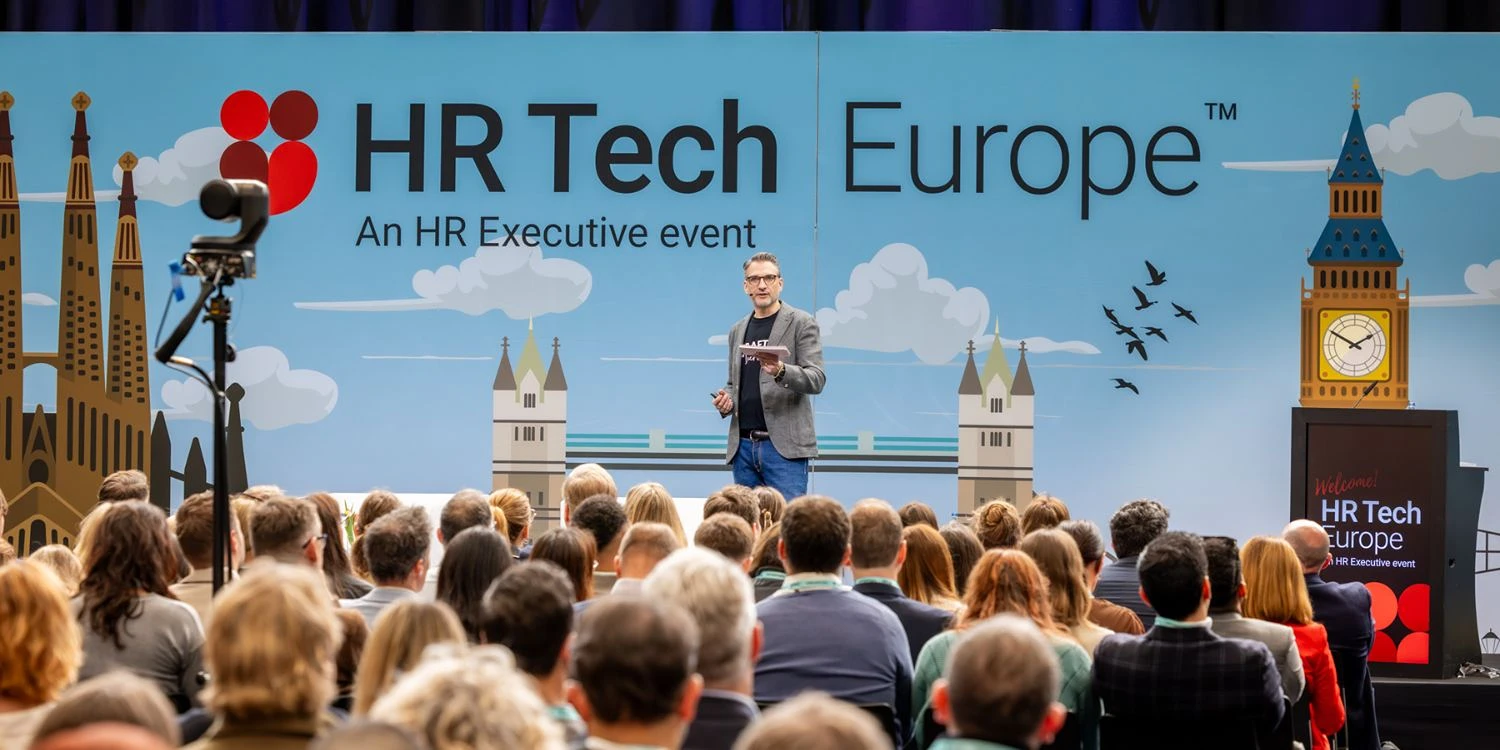
Harver surveyed 500 of Pandora’s highest-performing store associates to build a predictive profile grounded in real, role-relevant data. The results surprised the team. In the UK, some of their strongest performers came from food and beverage or the National Health Service, not traditional retail. “We had some real aha moments,” Clayton said. “The traditional candidate pool is not the right one.” (HR Executive, April 2026)
Pandora wanted a skills-based hiring strategy. The new model used structured, fair, skills-based assessments to screen candidates before they reached the store manager. Today, approximately 25% of the top applicants are filtered and assessed, not arbitrarily, but based on demonstrated capability. Store managers step in for the interview and the final decision, with a shortlist that is a much more effective use of their time.
$35 Million Is Just the Beginning
The results validate what Pandora set out to prove: that better hiring is a financial strategy, not just an HR priority.
- 64% reduction in recruitment administration
- 38 days to 15 — time to hire cut by more than half
- 25% reduction in attrition
- 4% uplift in sales per labor hour, quantified at $35 million in additional value in the US alone
- During Q4, the six-week window representing 40% of Pandora’s annual business, the company moved candidates from application to start date in under five days
Better hiring isn’t a people initiative — it’s a financial strategy. Improving your Return on Talent Investment means closing the gap between who applies and who actually performs, so the right people get placed in roles where they can drive real business outcomes.
You can read more at the HR Executive article here.